
Interesting Table Lamps for period properties
Table lamps are one of the most quietly powerful elements in an interior. They are small, moveable and often overlooked, yet they do an extraordinary amount of work in a room.
For us, interesting table lamps serve two equally important functions. The first is entirely practical. The second is emotional and aesthetic.
The functional role of table lamps
From a lighting point of view, table lamps are rarely optional in the kinds of homes we work on within our practice. In period and listed properties in particular, the lighting strategy often cannot rely on ceiling downlights. Sometimes they are undesirable aesthetically, sometimes they are restricted by planning or conservation, and often they simply feel wrong in rooms with high ceilings, historic cornicing or carefully proportioned architecture.
The Veermakers Arrow light works well in a period property setting providing a contemporary silhouette and soft illumination
In these houses, good lighting comes from layers. Pendants, wall lights, table lamps, floor lamps and discreet joinery integrated lighting all work together to create softness and balance. Table lamps are crucial within that mix because they provide low level, ambient light that makes rooms feel calm and inhabited rather than flat or overlit.
A table lamp placed on a side table, console or chest introduces a pool of light at eye level. This is what gives a room depth in the evening. It softens hard edges, reduces contrast and allows the architecture and materials to be read gently rather than harshly. In living rooms, bedrooms, libraries and even large entrance halls, table lamps are often doing the quiet work that makes a space feel settled and human.
In many of the houses we work on, particularly listed properties where downlights are not appropriate, most of the evening light comes from table and floor lamps rather than the ceiling. They allow us to respect the character of the building while still creating interiors that work beautifully for modern life.
Here’s a selection of 12 of our favourite table lamps that work well with period properties and modern alike.
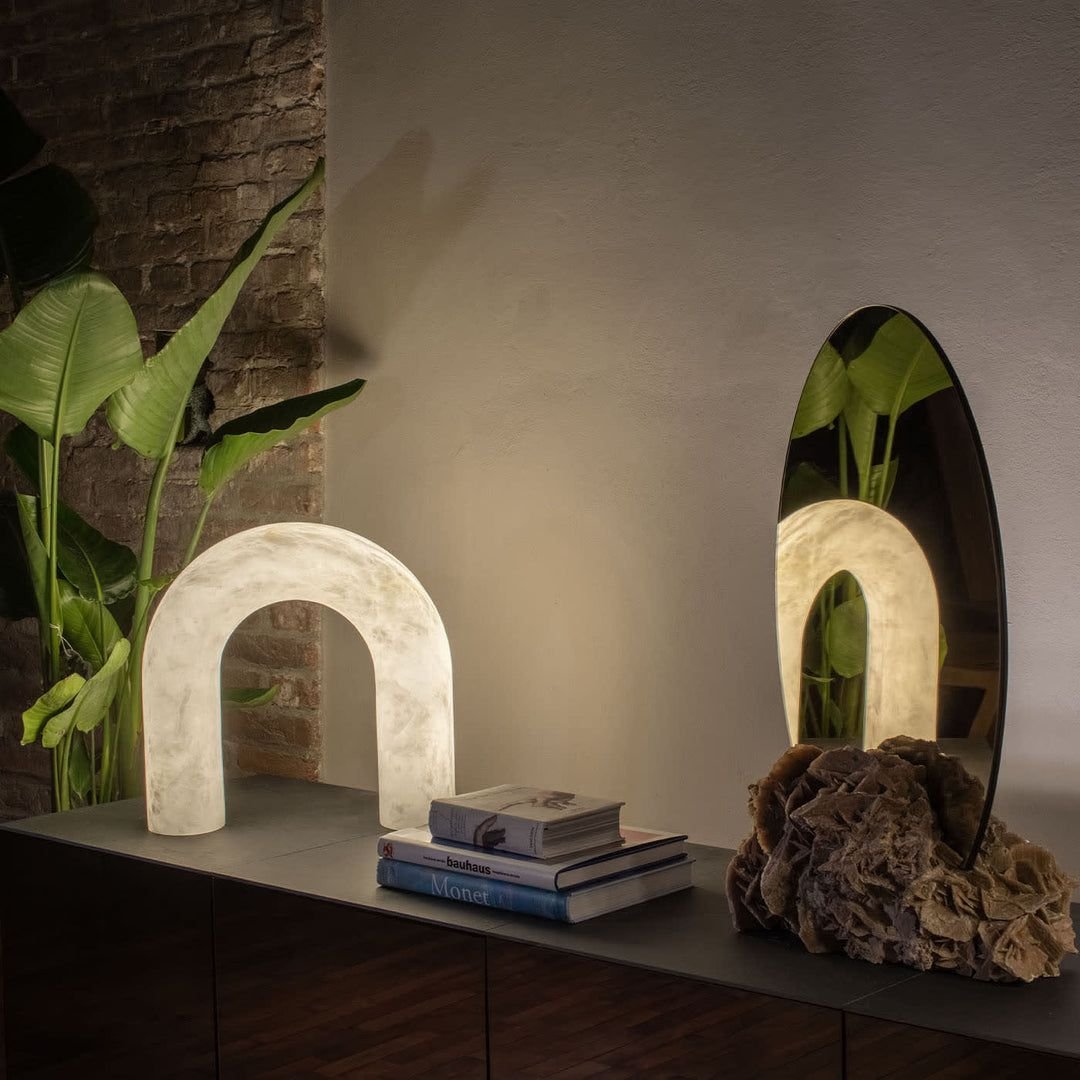
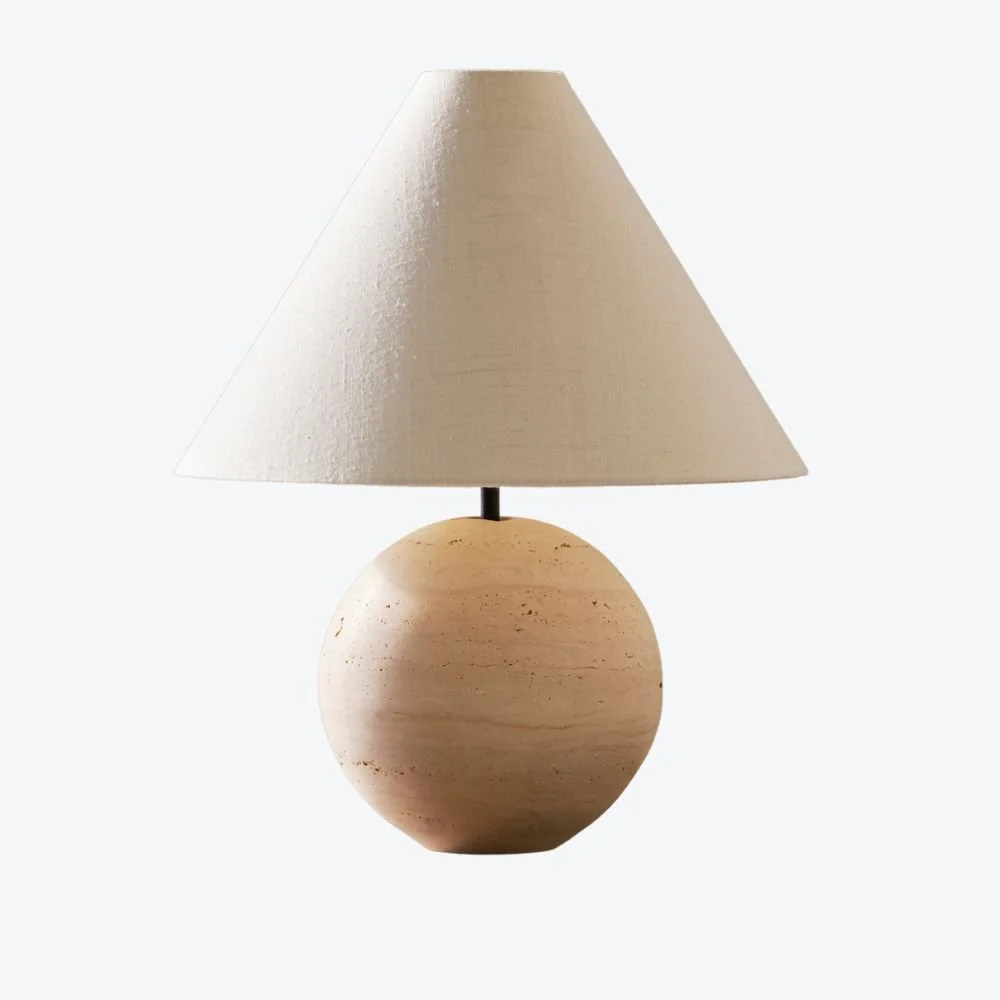
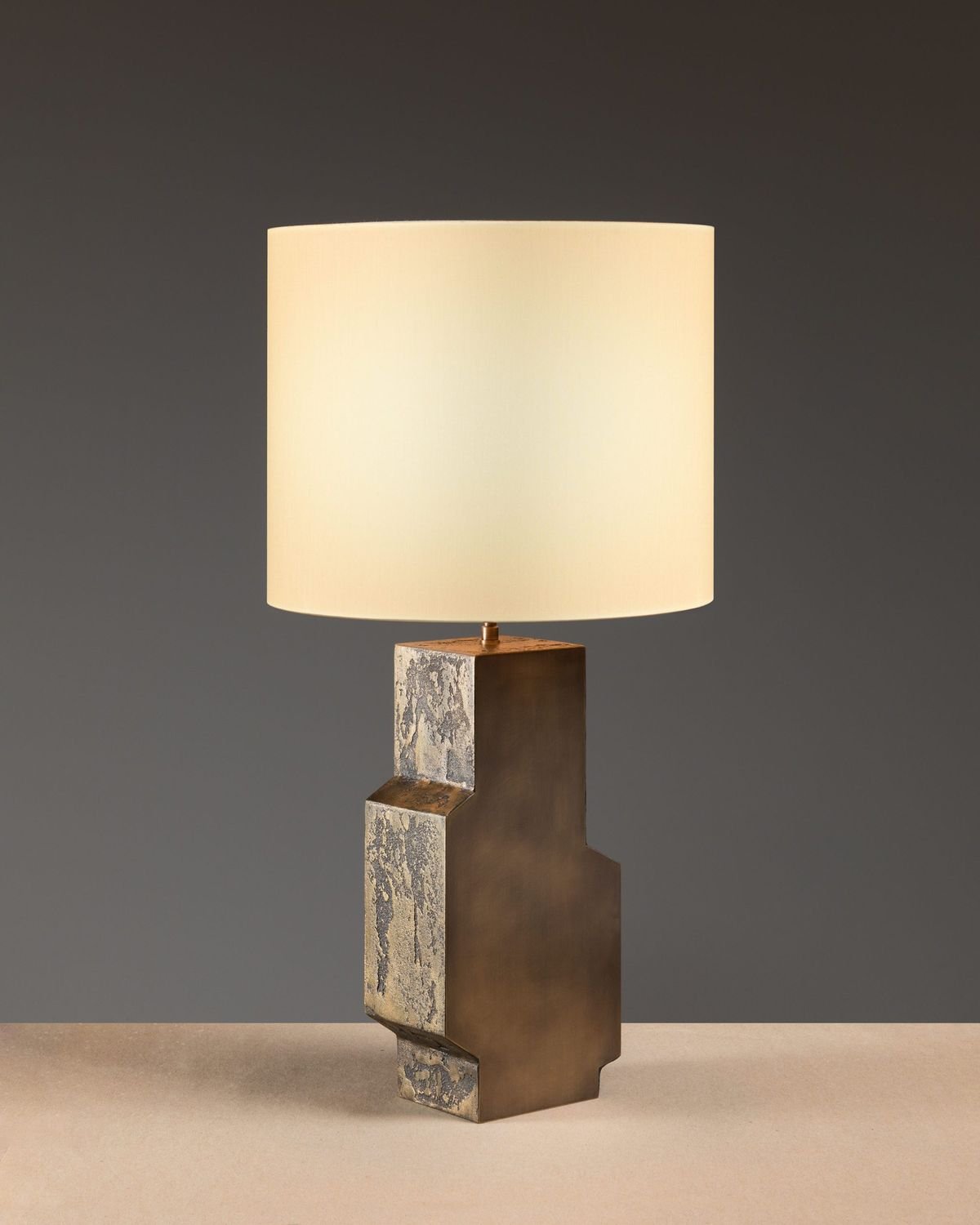
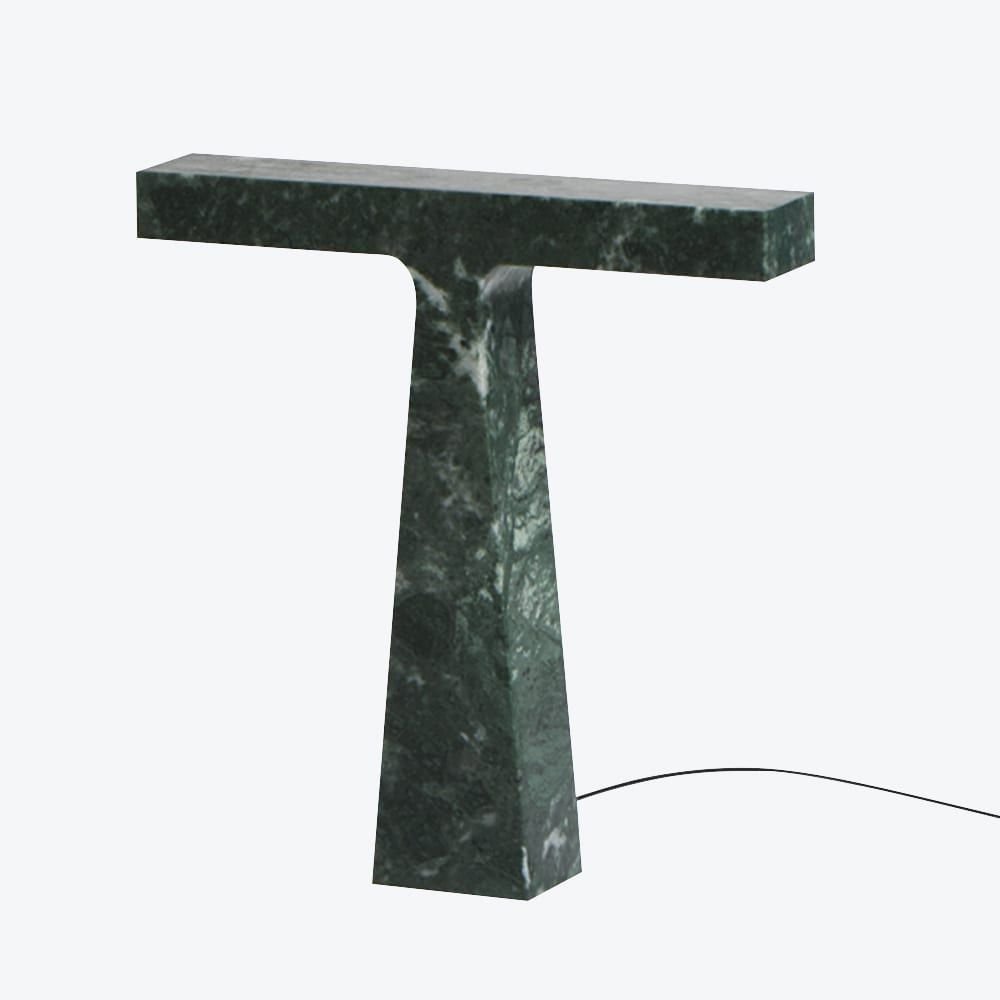
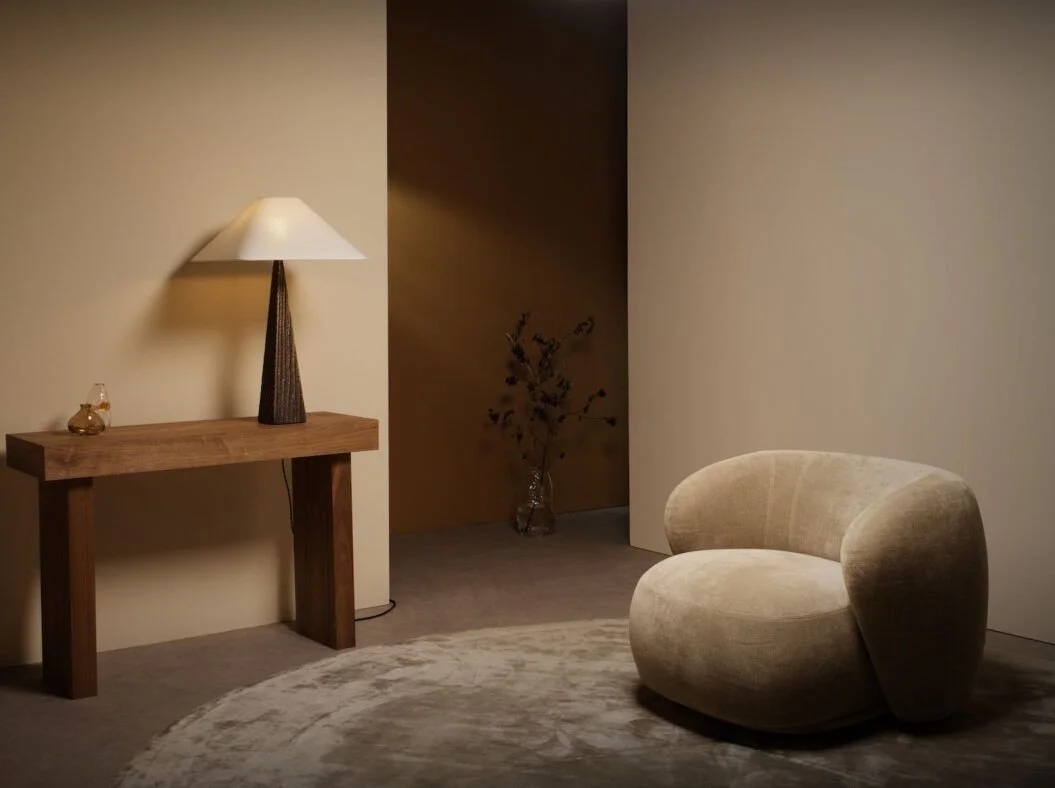
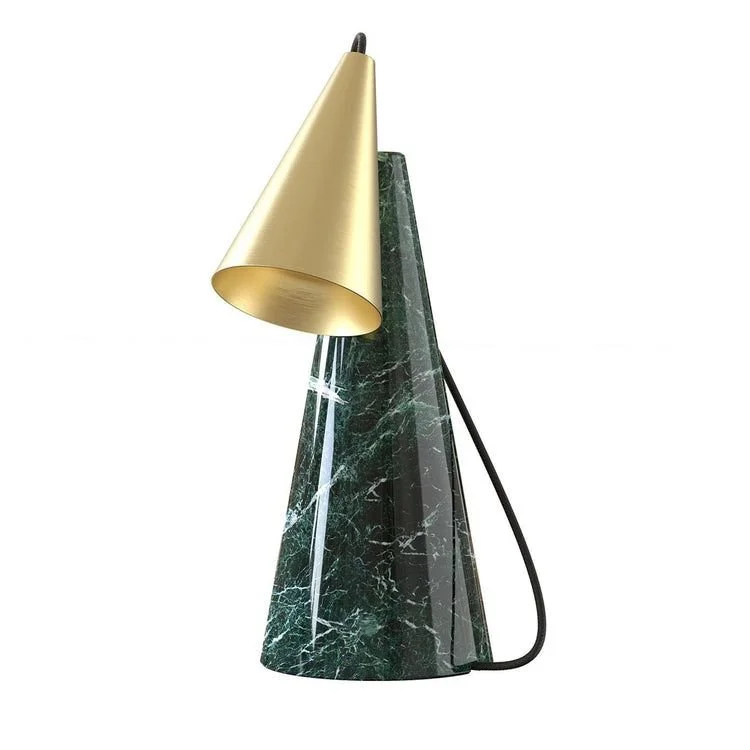
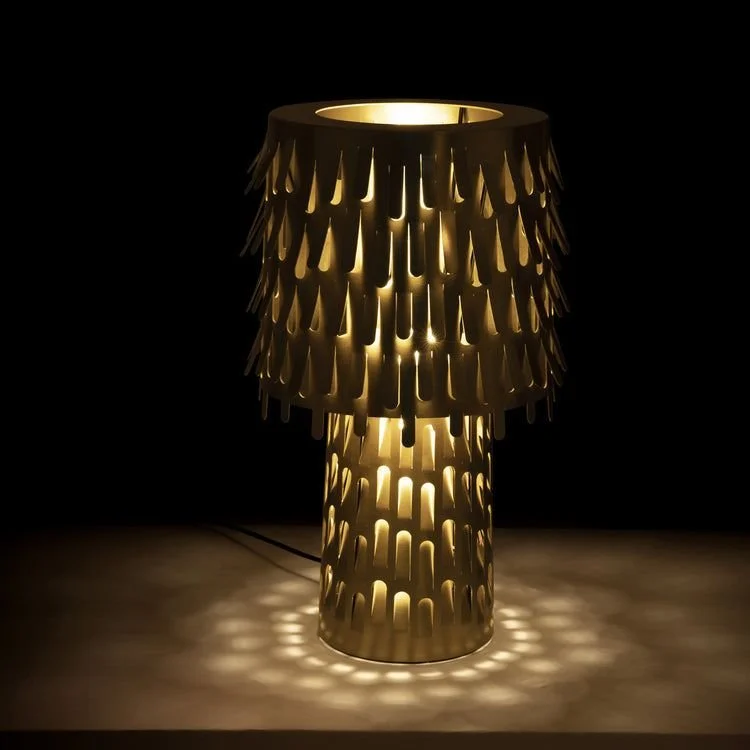
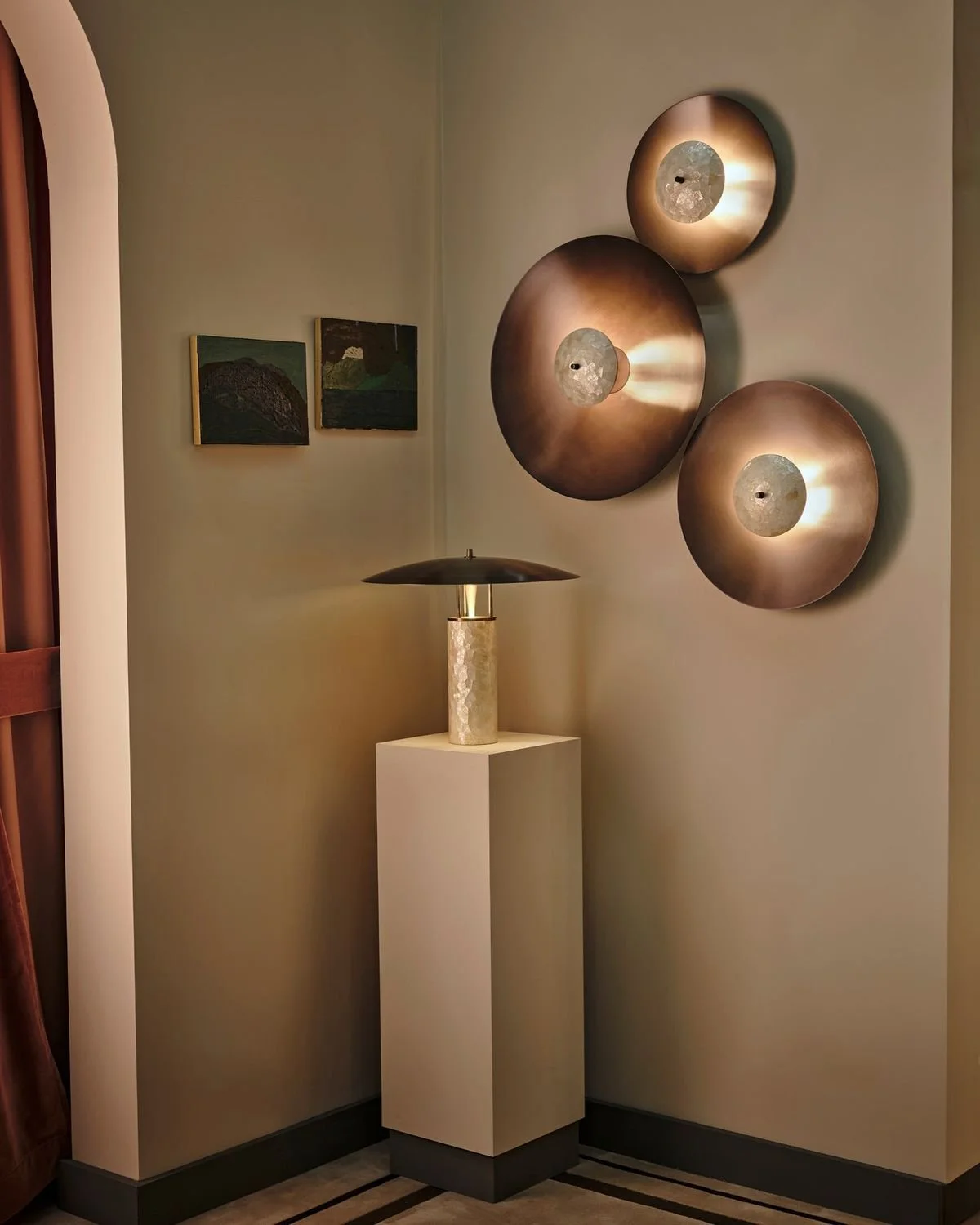
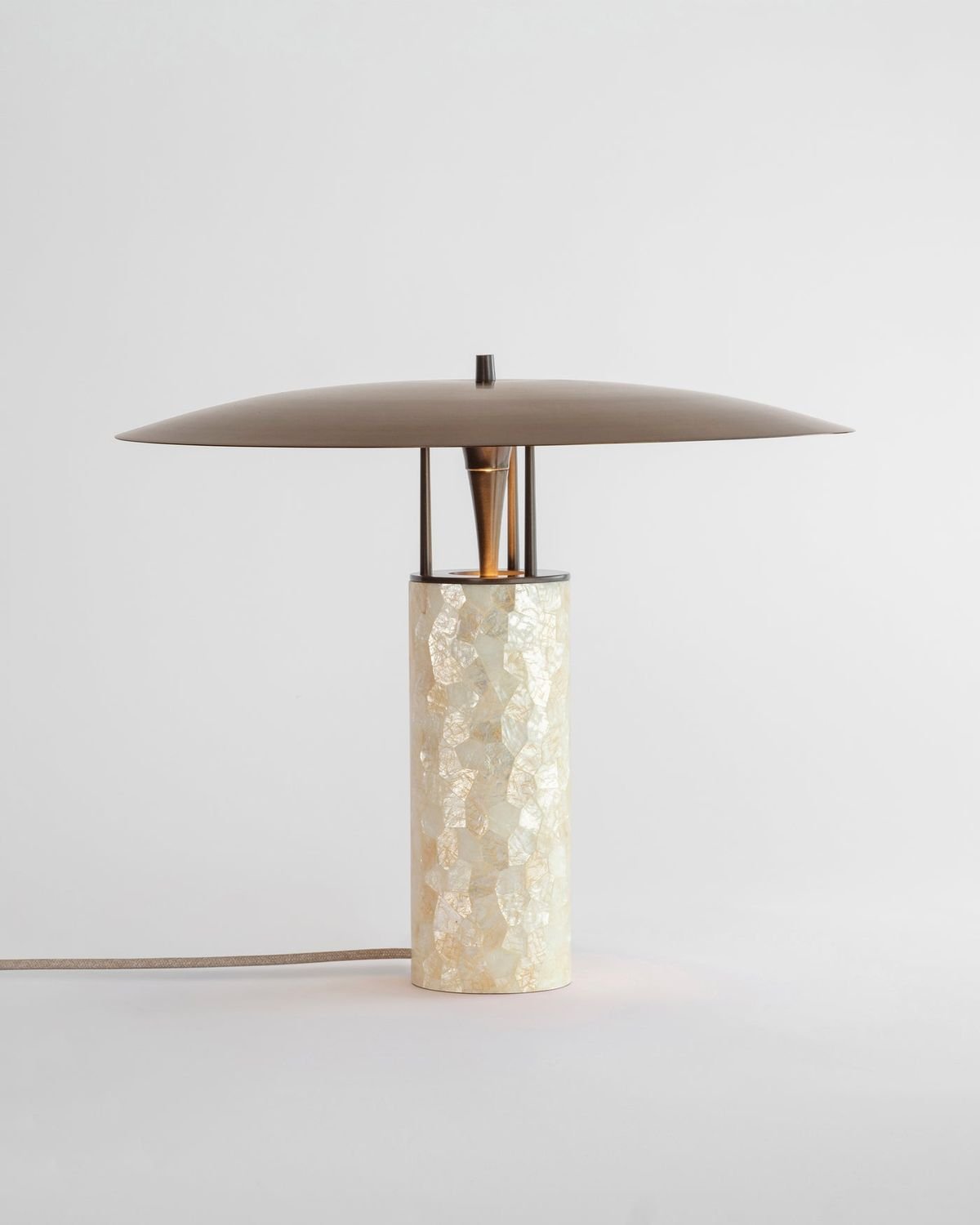
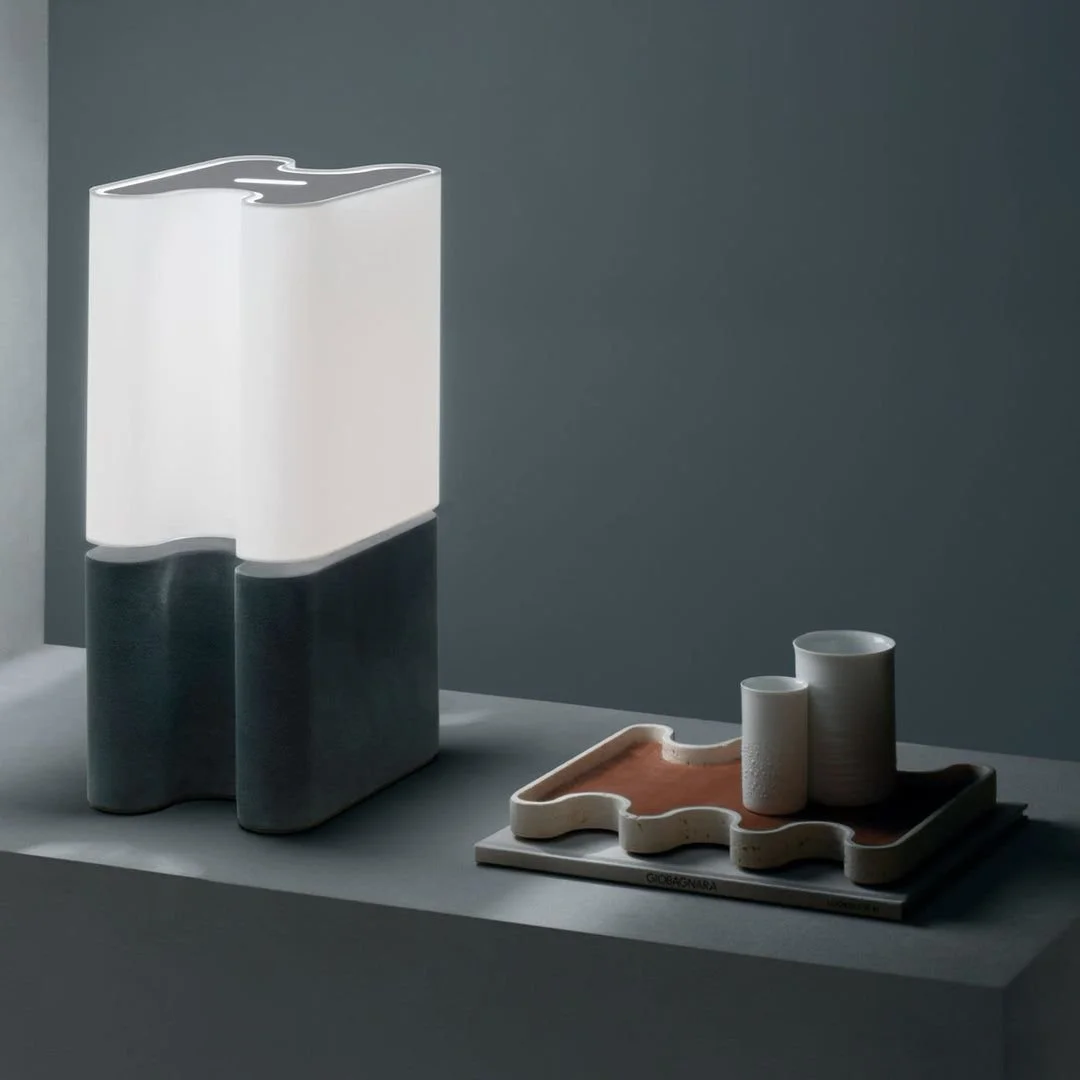
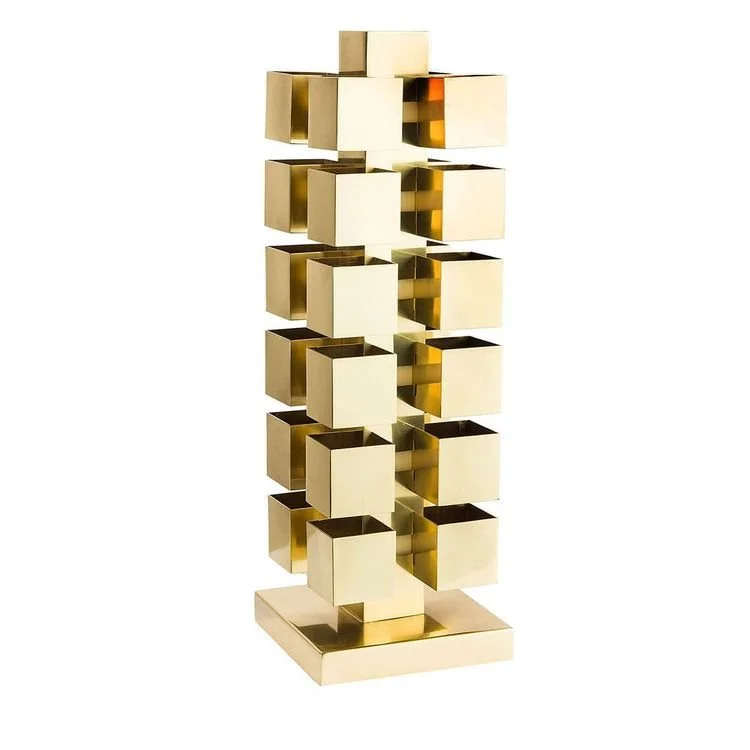
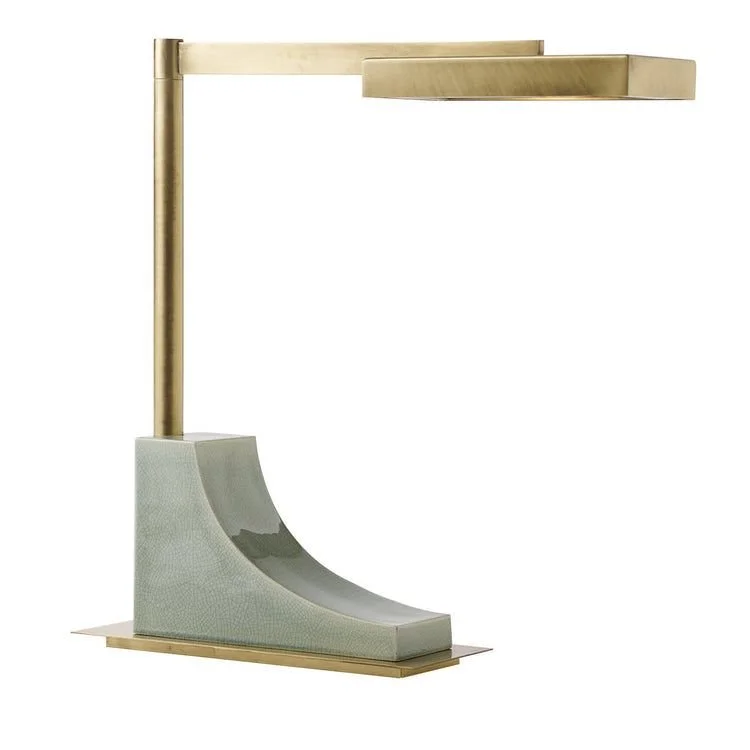
Table lamps as sculptural objects
The second role of a table lamp is less technical and more personal.
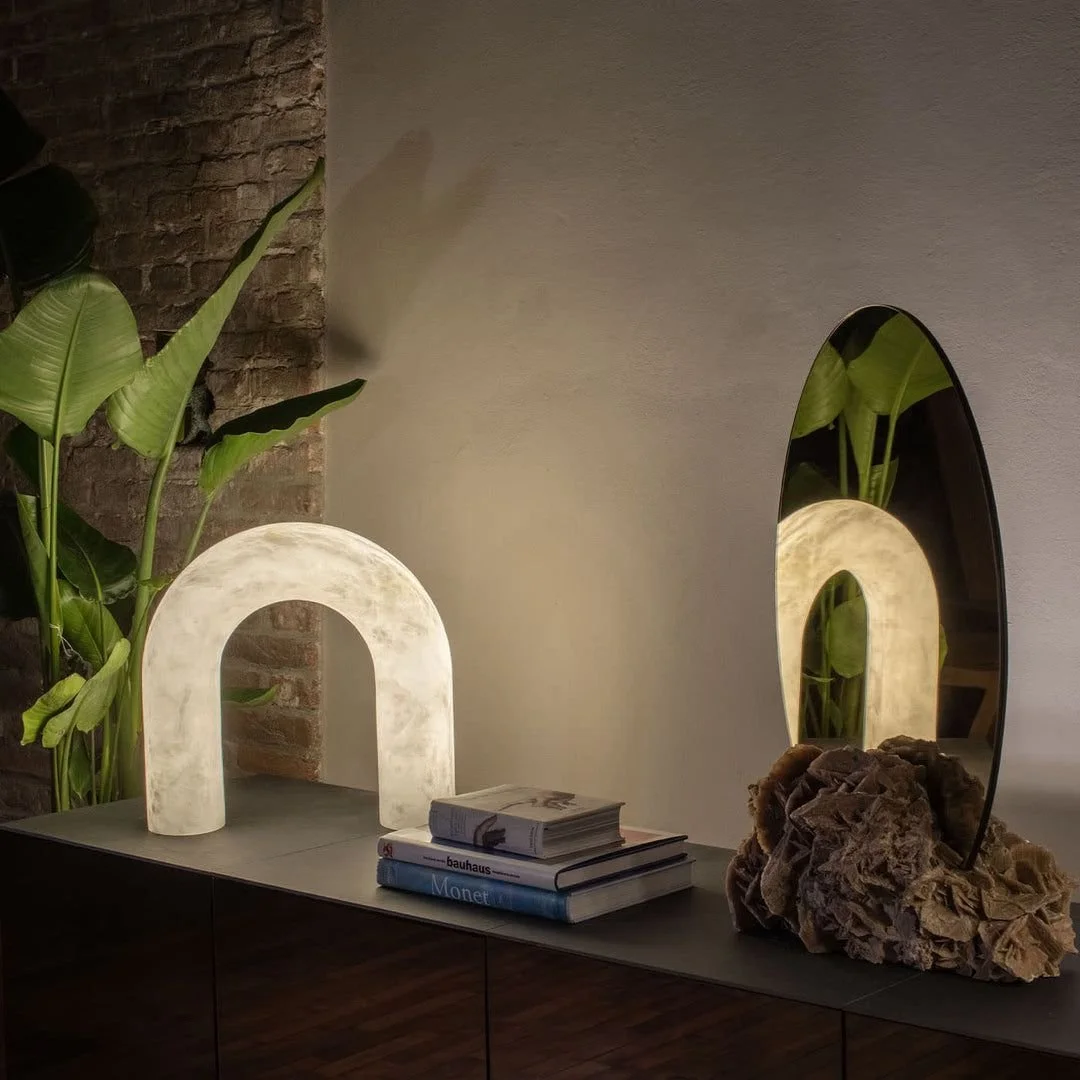
Arco di Luce Albaster table lamp
A table lamp can be a small sculpture. It can introduce form, texture and material in a way that few other objects can. Unlike built in elements, lamps are moveable and collectible. They can be changed over time, moved from room to room and layered into a scheme gradually.
Some lamps are architectural. Others are playful, organic or deliberately unexpected. A lamp might be made from stone, ceramic, plaster, metal, glass or papier mâché. The base might be heavy and grounded or tall and attenuated. The shade might soften the form or deliberately contrast with it.
We often think of table lamps as punctuation marks within a room. They sit quietly during the day, adding weight and interest to a surface, and come alive in the evening when they are switched on. The way light passes through a shade or grazes a textured base can completely change how a material is perceived.
Because they are not fixed, table lamps also allow for a level of experimentation that clients often find freeing. You can take risks with a lamp that you might not take with a sofa or a kitchen. Over time, these pieces become familiar and loved objects rather than simply items that were specified to fill a gap.
Collecting rather than matching
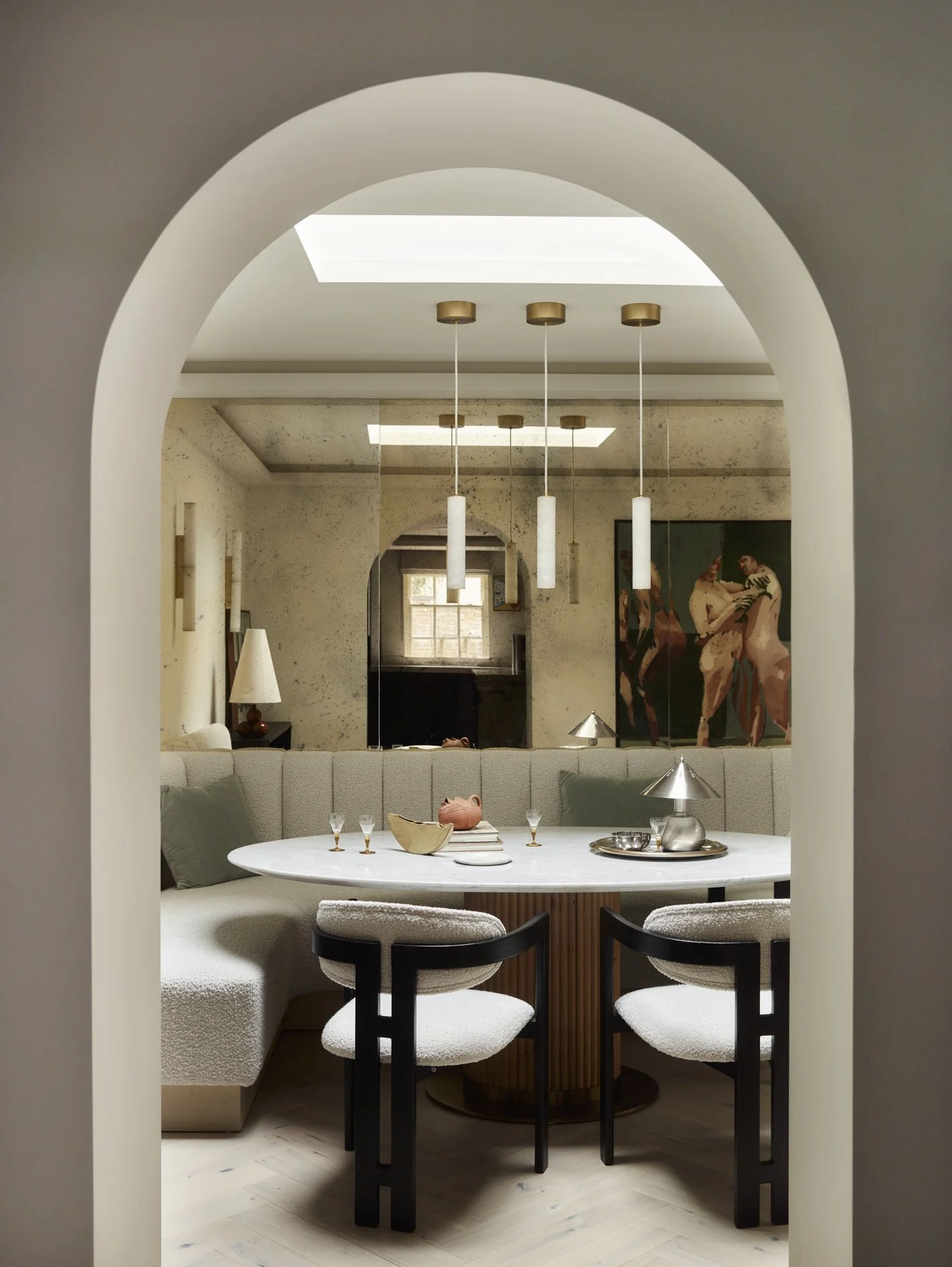
Collected Vintage and antique table lamps can add interest - like the one in the dining area in our Chelsea Arches project
One of the things we encourage clients to do is to think about table lamps as a collection rather than as a matching set. Identical lamps on either side of a bed or console can be appropriate in some schemes, but often a room feels more relaxed and layered when the lamps are related rather than identical.
A pair might share a scale but differ in material. Or they might be from different periods but sit comfortably together because they share a certain weight or restraint. This approach works particularly well in houses with history, where perfection can feel out of place.
Over time, table lamps can be gathered slowly. A lamp found on a trip, one inherited, another commissioned. Together they tell a story about how a house has been assembled rather than designed all at once.
Integrating lamps into a wider lighting strategy
From a practical point of view, table lamps should always be considered early, not as an afterthought. Their height, scale and position affect socket locations, switching strategies and joinery design.
In well resolved schemes, table lamps are integrated into the overall lighting plan from the start. They are dimmable, usually added to 5 amp circuits which allow them to be controlled via a switch on the wall with all of the other accent lighting. They will need to be thoughtfully considered in terms of their locations and balanced against wall and ceiling lighting so that no single source dominates.
This is particularly important in listed buildings, where introducing new wiring can be complex and where every intervention needs to be considered carefully. A well placed table lamp can sometimes do the work of several ceiling lights without disturbing the fabric of the building.
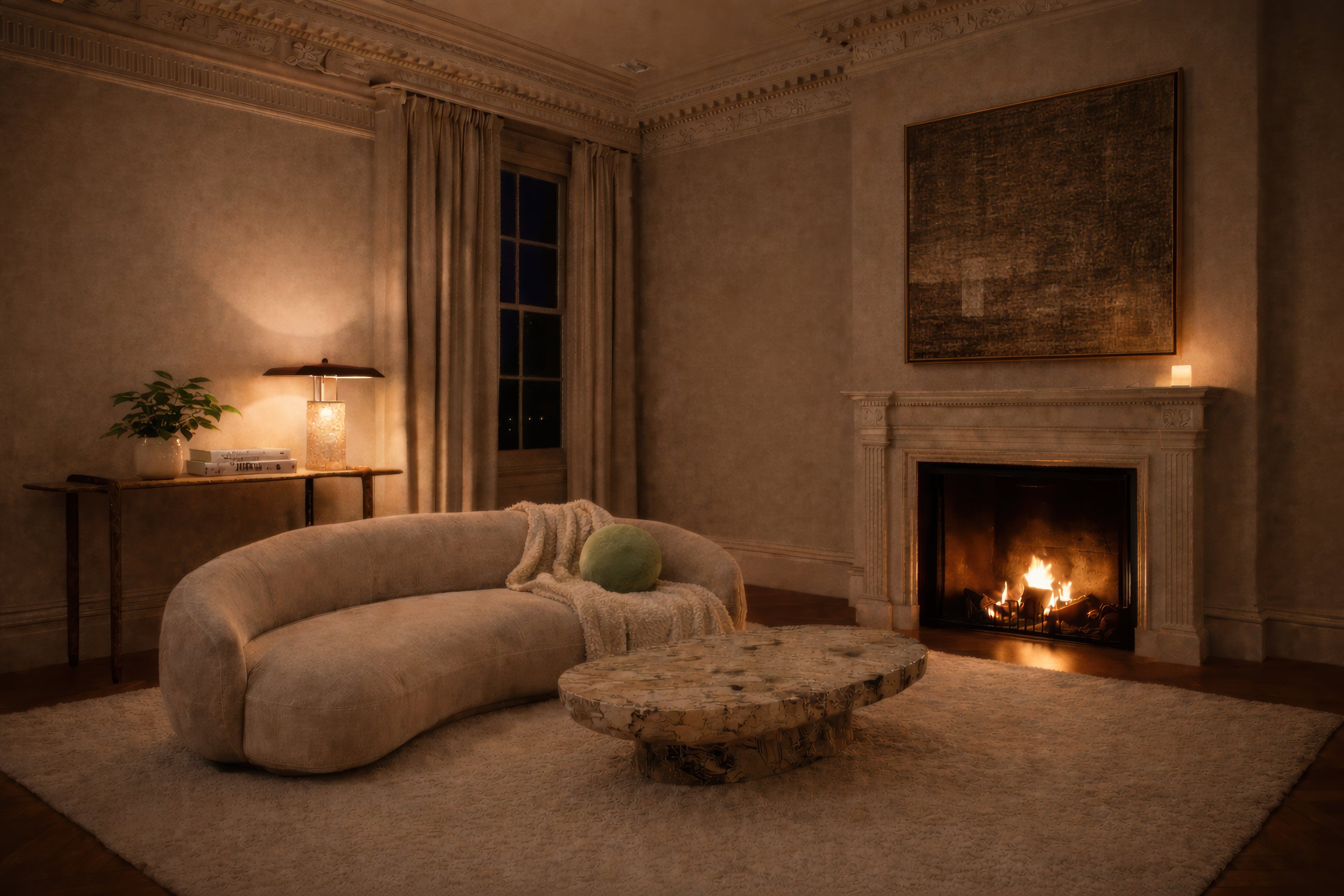
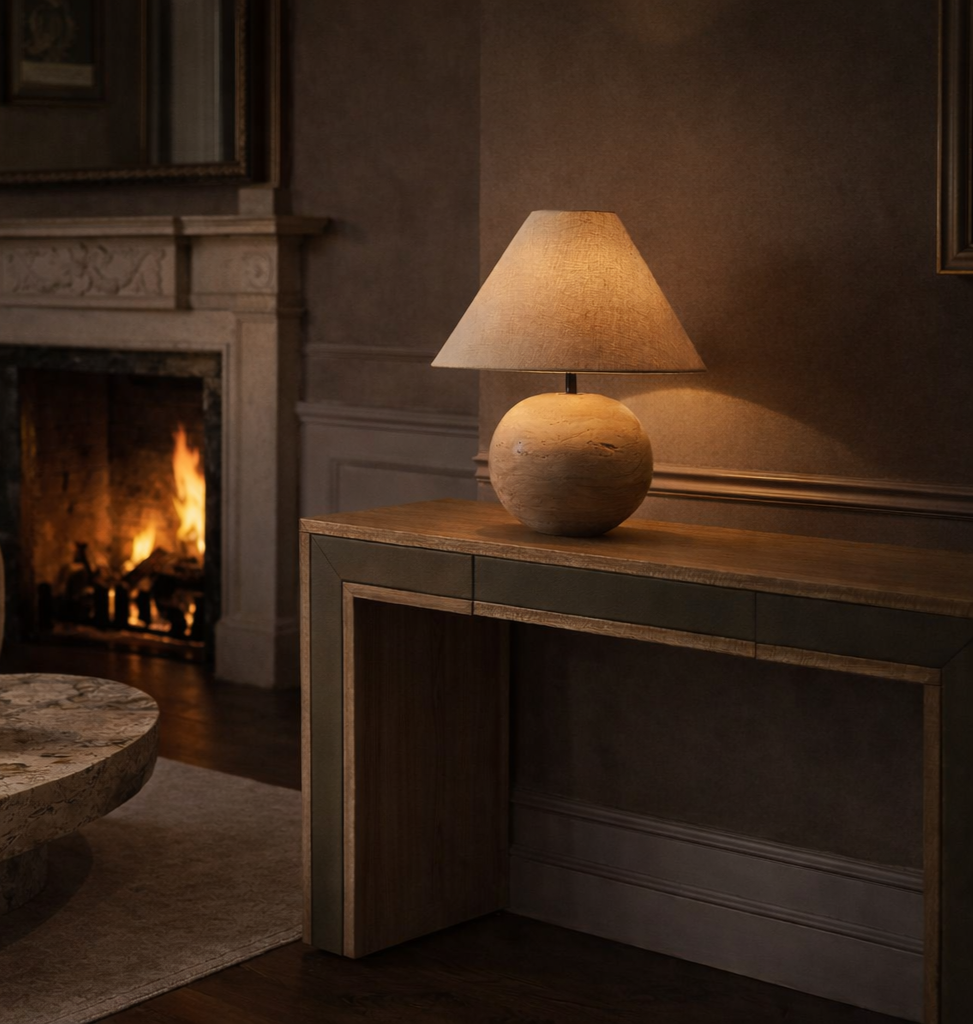
Table lamps create a warm cosy glow in period properties along side fire light.
Ultimately, table lamps are about how a house feels in the evening. They are about creating rooms that invite you to sit, read, talk and slow down. They soften architecture, flatter materials and bring a sense of intimacy to even very large spaces.
When chosen well, they are both useful and joyful. They light the room and they give pleasure in their own right.